Nigeria Crisis Response Announcement

We are happy to announce that Cliff Kindy recently returned safely to his home in the US! Thank you for all your prayers and best wishes during his time spent walking with our EYN brothers and sisters during this crisis and reporting back. Some of his material will be still be shared in the future but he is no longer in Nigeria right now.

We do ask for your prayers for Carl and Roxane Hill, the co-directors of our Nigeria Crisis Response, who have safely arrived in Nigeria this month. They are meeting with EYN leaders and congregation members and will be reporting back on the Response while they are there. Watch for reports on this blogsite and thank you for your continued support.

Sending Out His Word

2015 COVER

Psalm 107:17-22

Question:

What situation in life causes you to feel less than hopeful? Invite God to change your perspective on this situation and thus begin to heal you.

Prayer:

God of hope, who transforms our doubts and insecurities into opportunities for growth, forgive us for the times when we have unintentionally reduced your power to our understanding of what is possible. Thank you for sending your word in the example of Jesus, and inspire us to share your hopeful word with others. Amen.

~ Becky Ullom Naugle, Director for Youth and Young Adult Ministries

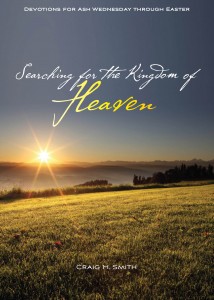
Congregational Life Ministries of the Church of the Brethren is offering these simple prayers and questions in connection to this year’s Lent Devotional written by Craig H. Smith, district executive for the Atlantic Northeast District of the Church of the Brethren and ordained minister. (Available from Brethren Press in print and E-Book formats). Join us as we look and listen for the coming of the Word through the reading of scripture, Craig’s reflections, times of prayer, and conversations on this blog.

Reports from Nigeria: Returning Home

By Cliff Kindy, Brethren Disaster Ministries volunteer who wrote this while in Nigeria. He has since returned home safely.

The dynamics of the violence in Nigeria are changing dramatically in the recent weeks. Boko Haram has lost the momentum that they previously had in waging battles where they chose and usually overcoming any opposition. They have been unable to hold the initiative in any recent conflicts. They have sustained heavy losses, had hundreds of fighters arrested by Nigeria, Cameroon, Niger and Chad. Their camps and headquarters have been overrun by Nigerian troops supported by heavy air bombardment.

Boko Haram fighters are scattered but in their frustration are striking out at any soft targets. So places like Chibok are again facing attacks from those groups. An EYN member from Chibok reported that Boko Haram had gone door to door in that community killing inhabitants and burning houses. Suicide bombings are scattered across the north of Nigeria. Individuals carry out those bombings – one seven year old girl was strapped with a bomb and the other recent suicide attack was a man boarding a long distance bus when his explosives detonated. But Boko Haram is no longer able to rally large forces for any major attacks. There are even reports that Nigeria has arrested the Boko Haram leadership.

With these changing dynamics and some communities protected by Nigerian security for a couple months already, individuals and families are anxious to return home. But what does that mean on the ground?

They return with nothing in most cases. Where do they start? What do they eat? Where will there be protection from the rains that have arrived in Jos? What about tools? Seeds? Animals? Electricity? Community infrastructure?

Homes have been burned. Churches are leveled, clinics bombed. Belongings have been looted and carried off. There are no longer stores or shops in most communities. Bridges are destroyed. Cars were stolen. Tools are missing or unusable. Wells in some communities have dead bodies in them. Maybe the departing Boko Haram raiders left explosives to greet returnees. Energy is sapped by the original trauma and there is new trauma facing those returning home.

Government is not likely to generate the massive aid needed in this kind of situation. Relief aid will only make a small dent in the total rebuilding of society that will be required. How does a community gather the united energy required to begin the process of starting over from scratch?

Churches thrive on hope. The love of the church provides encouragement and support when everything is at the bottom. Just as the early church in Acts lived an alternative reality from the Roman political system, so that will be true today with a church like EYN in Nigeria. The woman who told me about Chibok under attack again will be among the leaders of the trauma healing group that crisscrosses EYN in Nigeria and Cameroon.

Returning home will start with little steps from NGOs like Women and Youth Empowerment for Advancement and Health Initiative supplying families with machines to generate income, animals and seeds for providing food. Other NGOs like Lifeline Compassionate Global Initiatives through their interfaith efforts with displaced families are building the relationships for healed societies that will be required if communities will succeed in overcoming enormous obstacles. Both of these NGOs are among others that are funded by the Church of the Brethren through Brethren Disaster Ministries.

The Crisis Management Team of EYN is still doing emergency feeding, is just starting on building temporary housing for displaced families and is ready to begin the training of a large cadre of trauma trainers who face an enormously daunting task. At the same time the Team is helping EYN itself recover from the total displacement of its organization. But what lies ahead is larger by far than all they have tackled thus far. Re-establishing devastated communities from scratch is nearly impossible for strong organizations that have done the work previously, but for a group like EYN which has no experience in disaster response, can it even be imagined?!?

Yes, the hard work of thinking ahead is started in EYN. Church of the Brethren volunteers are walking alongside EYN. The experience of EYN-related NGOs can pave the way for larger responses. EYN is a strong church with creative leaders. EYN’s reliance on God’s care and leading will cover many stumbles in the months and years ahead. The future is rising from the ashes. People are returning home.

Growing together

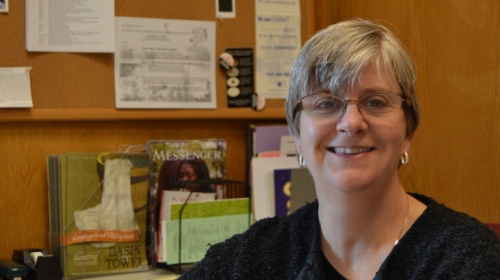
Debbie Eisenbise, director of Intergenerational Ministries Photo by Cheryl Brumbaugh-Cayford

Debbie Eisenbise, director of Intergenerational Ministries
Photo by Cheryl Brumbaugh-Cayford

An interview with Debbie Eisenbise

What excites you about your new role?

What excites me most is working with groups of people. I like bringing people together to learn and connect. Part of my job is helping lead National Older Adult Conference, and it’s like throwing a great party and bringing a whole bunch of people together to learn and worship.

I am also excited about raising awareness and advocating for vulnerable peoples. There are a variety of folks who have experienced or are experiencing issues, because of age or circumstance, that make them vulnerable. As the church gathers together, we can find ways to address their needs, but also integrate them into our communities, learn from them, and allow them to give too.

Why are intergenerational ministries important?

There can be tensions in our churches between age groups, and it really has to do with life perceptions. Each group has very different views of giving, church, life goals, and work. By becoming more cognizant of these differences and engaging together in intentional intergenerational conversation, we can inform each other and grow together in faith.

How can we become more involved in intergenerational ministries?

One way that people can get involved is by asking questions in their own context and congregations and seek to understand how they perceive people of different generations. Be willing to share your experiences and also listen to the stories of others.

Another way is by praying that the Spirit might open us up to each other in new ways. Pray for openness and the ability to grow beyond our own comfort zones and move into new life.

Debbie Eisenbise grew up in Wilmington, Del., and attended Davidson College, Pacific School of Religion, and Bethany Theological Seminary. She started as director of Intergenerational Ministries Jan. 15, but also served the Church of the Brethren in the 1990s as Brethren Volunteer Service coordinator of Recruitment and Orientation.

Learn more about Older Adult, Family, and Disabilities Ministries of the Church of the Brethren by e-mailing Debbie at deisenbise@brethren.org . Support these and other life-changing ministries at www.brethren.org/give .

(Read this issue of eBrethren)

EYN Devotions March 15-21, 2015

DAILY LINK WITH GOD 2015EYN Devotions graphic
A Daily Devotional Guide from the
EYN (Church of the Brethren in Nigeria)

EYN leaders in Nigeria believe prayer is one of the most important ways to support the Nigerian people and the Church.  These daily devotions were written by EYN members and published by the Church of the Brethren in Nigeria. Reading them daily is a powerful way we can be in solidarity and connect with our brothers and sisters caught in this crisis.  EYN’s daily devotional for 2015 will be posted a week at a time on this blog, appearing mid-week for the following week. More information about the crisis can be found at www.nigeriacrisis.org.

Click on this link for the EYN Devotion Blog Mar 15-21 2015

Cry to the Lord

2015 COVER

Psalm 107:17-22

Question:

What is the most significant cause of your distress these days? How do you want God to help you in this situation?

Prayer:

Merciful God, who promises to be with us even as we walk through the valley of the shadow of death, incline you ear to my plea. Break into my life with your presence as the sun breaks through the clouds! Amen.

~ Becky Ullom Naugle, Director for Youth and Young Adult Ministries

Congregational Life Ministries of the Church of the Brethren is offering these simple prayers and questions in connection to this year’s Lent Devotional written by Craig H. Smith, district executive for the Atlantic Northeast District of the Church of the Brethren and ordained minister. (Available from Brethren Press in print and E-Book formats). Join us as we look and listen for the coming of the Word through the reading of scripture, Craig’s reflections, times of prayer, and conversations on this blog.

Speak Up!

2015 COVER

Psalm 107:1-3

Question:

What would it be like for you to consistently share about the way the Holy Spirit has been active in your life on a day-to-day basis? You might share with a spouse, housemate, work colleague, or child.


Prayer:

Eloquent God, whose wisdom and graciousness is transmitted to us in many ways, strengthen our timid hearts and cause us to tell others about the small and grand ways you move in our lives. Amen.

~ Becky Ullom Naugle, Director for Youth and Young Adult Ministries

Congregational Life Ministries of the Church of the Brethren is offering these simple prayers and questions in connection to this year’s Lent Devotional written by Craig H. Smith, district executive for the Atlantic Northeast District of the Church of the Brethren and ordained minister. (Available from Brethren Press in print and E-Book formats). Join us as we look and listen for the coming of the Word through the reading of scripture, Craig’s reflections, times of prayer, and conversations on this blog.

Believers Math

2015 COVER

Psalm 84:8-12

Question:

How might you fix your eyes upon God today? Try to name one concrete action that will put your heart and mind in a position to be able to sense God’s presence with you.


Prayer:

Magnificent God, whose presence with us provides a peace that passes all understanding, inspire us with the desire to focus on you today. As we wander through the wilderness of Lent, remind us of our spiritual home with you. Amen.


~ Becky Ullom Naugle, Director for Youth and Young Adult Ministries

Congregational Life Ministries of the Church of the Brethren is offering these simple prayers and questions in connection to this year’s Lent Devotional written by Craig H. Smith, district executive for the Atlantic Northeast District of the Church of the Brethren and ordained minister. (Available from Brethren Press in print and E-Book formats). Join us as we look and listen for the coming of the Word through the reading of scripture, Craig’s reflections, times of prayer, and conversations on this blog.

Reports from Nigeria: God’s Distribution

God's Distrib in Bui Blog

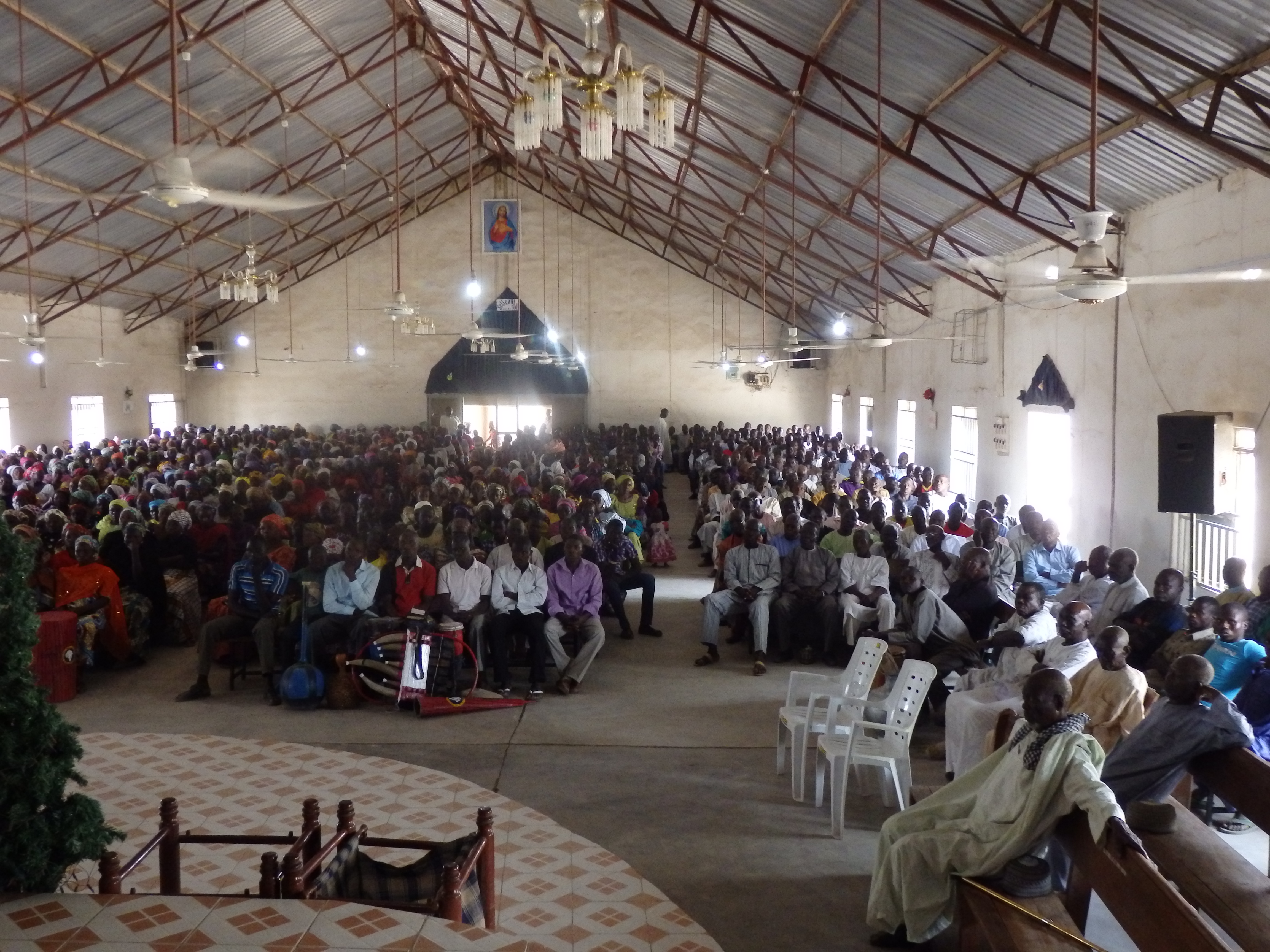
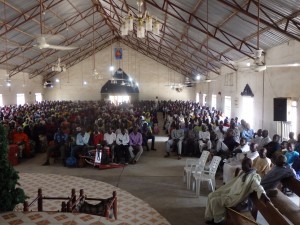
Congregation at EYN church in Biu where distribution took place.

By Cliff Kindy, Brethren Disaster Ministries volunteer who recently returned from Nigeria

Three Crisis Team members traveled to Biu on a Saturday at the end of February to complete a relief distribution. One day earlier it had appeared as though the process might fall through. Vehicle plans were not coming together and finances seemed to be held up even though approval for the funds had taken place a couple weeks earlier.

Our driver picked me up at eight Saturday morning. One of the two DCC secretaries from Biu was traveling with the Team. We stopped to pick up the other two team members as we drove out of Jos. There had been some question whether it was safe for me, a very visible white person, to travel into this region that had experienced Boko Haram attacks several places along the route.

The road deteriorated as we traveled through three states before reaching Borno State. The last two hours were slow because of heavily potholed road surface. There were regular security check points and occasional vigilante road blocks to supplement government patrols. Around Gombe and as we neared Biu there were increasing signs of the Boko Haram suicide bombings and fire attacks against check point sites, police stations, a hospital and a gas station close to an intersection with another security checkpoint.

When we arrived at the EYN LCC #1 Biu compound most of the supplies were already on site, delivered by a local EYN businessman the Team had called the evening before. We still did not have definite numbers for the EYN displaced families or individuals. There were some outdated pages recording IDPs but the numbers we started hearing from the two DCC secretaries were much higher than we had figured because of recent attacks on EYN communities outside of BIU.

We asked congregations during their worship at the six nearby churches to announce our plans for a 1PM relief distribution. All of these churches were hosting IDPs in the churches or with families. When the one o’clock time arrived the church building was packed with people and others were outside.

We had decided the night before to ask for just one representative from each family to attend the distribution and had decided that we only might have enough supplies for one item per family – a big bag of rice, a larger bag of maize or a box containing packages of noodles. We also had boxes of soap and we intended to give two bars to each family. To make the process smoother we made tickets, color coded and numbered for the total supply of the three items.

With the crowds of people before us Sunday afternoon we considered providing one item for every two families. We were worried that the distribution could deteriorate quickly. Then three ideas surfaced in rapid succession. 1) We would prioritize displaced pastors. 2) Widows would also receive priority. 3) We would start handing out tickets (each family representative picked a ticket from a bag), starting with people ages sixty to seventy and keep moving down a decade until all tickets were gone. That ticket indicated which item they would receive and the order in which they could collect the item.

It meant some expectant persons would not receive one of the three food items but it would be the younger persons who could more easily find jobs in the city to provide food. At the start there was a mass push toward the supplies but with local helpers we were able to make clear that the distribution would start with the order of numbers from inside the church.  Inside the church was also much cooler than the hot sun out in the courtyard.

Even with the kinks in the process and a long careful explanation to make the process clear at the beginning over one thousand people received supplies within three hours. One serendipitous event was deciding to not hand out soap to each family. This meant that there was sufficient soap to give three bars to even the individuals who had not received a ticket and others who were waiting hopefully in the courtyard outside the church.

As the distribution proceeded many recipients thanked us for the process and for assuring that everyone received something. It was a team effort that accomplished the distribution task. The DCC secretaries were key to the process. The youth brigade supplied the manpower to move food items to recipients. Local church staff provided escort and number checking for each group of ten people moving from inside the church to the warehouse distribution center. Vigilante volunteers provided security for the courtyard. And the Team of three provided coordination of the process. The patience and good humor of the recipients was essential for a smooth flow during the distribution. As one of the DCC secretaries commented, “The process was an act of God. I was worried when I saw so many potential pitfalls in the distribution.”


How Does Your Garden Grow? The How-To’s and Many Benefits of Community Gardening

going-to-the-garden-titleTuesday, March 31, 2015
7:00pm EST

Spring is right around the corner, and that means it is time to start thinking about planting a garden! Gardens are more than a space to grow food or flowers. They can also strengthen communities through a common purpose and bring our attention to larger issues of food security and creation care.

This webinar will focus on basic gardening how-to’s, such as site selection and ways to get started in a new space, as well as learning how your congregation can start growing through Going to the Garden. We will also take the time to reflect on why it is important for us, as people of faith, to consider where our food comes from and the role of gardening in our own lives.

Join us for this first webinar in our spring series about community gardening! If you have any questions about this webinar or Going to the Garden, please e-mail kfurrow@brethren.org.

To register for this webinar, please go to: http://www.anymeeting.com/PIID=EB56DB87874A3B

Presenters:


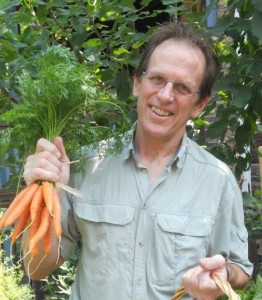
DSCN0742Gerry Lee
has done community gardening for decades in diverse neighborhoods in Boston and Philadelphia.  In West Philadelphia, Gerry worked for three years with an alliance of small urban growers who raised organic vegetables and fruits on empty lots, and on marginal land, for sale or donation in areas designated as food deserts. Those years taught him about the unique opportunities and challenges for the passionate urban farmer.
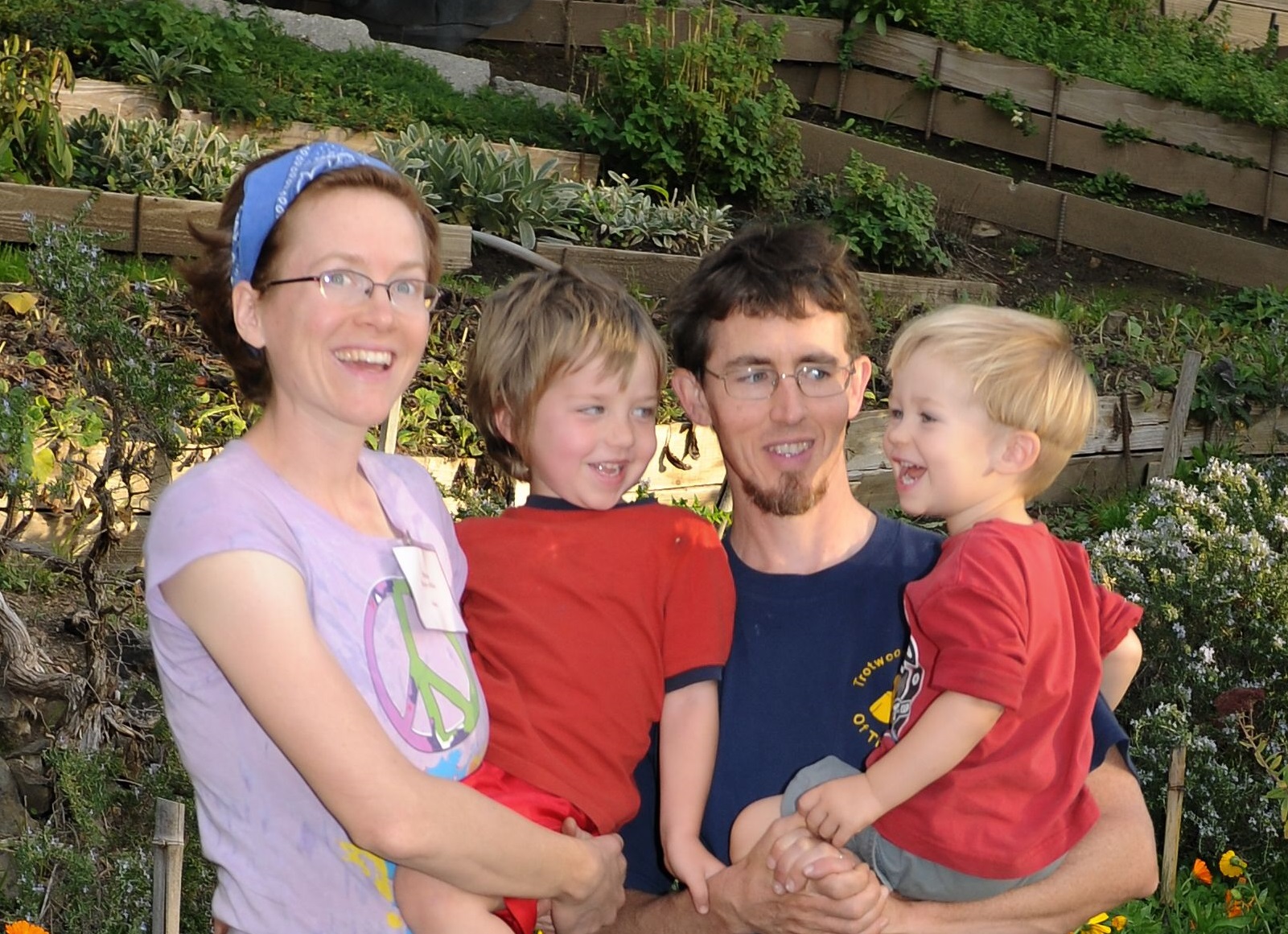
Cynthia's Royer-Miller photo2Dan and Margo Royer-Miller began their farming experience in 2005 with an internship at an organic farm, followed by a three-year apprenticeship at Ecology Action in Willits, CA. There they learned the small-scale food-raising method called biointensive agriculture. They, with their two boys, now live in Trotwood, Ohio, working toward an ever simpler and more meaningful life.

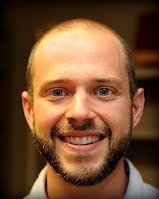
Ragan-headshot smallRagan Sutterfield is a writer and ecological theologian currently sojourning in Northern Virginia.  His work includes Farming as a Spiritual Discipline, Cultivating Reality: How the Soil Might Save Us, and most recently This is My Body: From Obesity to Ironman, My Journey into the True Meaning of Flesh, Spirit, and Deeper Faith. He can be found online at ragansutterfield.com.